


What’s better to read for a lover of books than the New York Times Bestselling Books? Once it makes it to the list, it is a bestselling book in the United States and always, that makes it a great book for anyone to read. The books are grouped in different genres and format including Print and E-Book fiction, as well as print and E-Book Nonfiction.
If you are looking for books to read, be it fiction or nonfiction, in print or e-book format, here are some to start with:
Hottest New York Times Bestselling Books
Fiction Category
1. Where the Crawdads Sing- Delia Owens
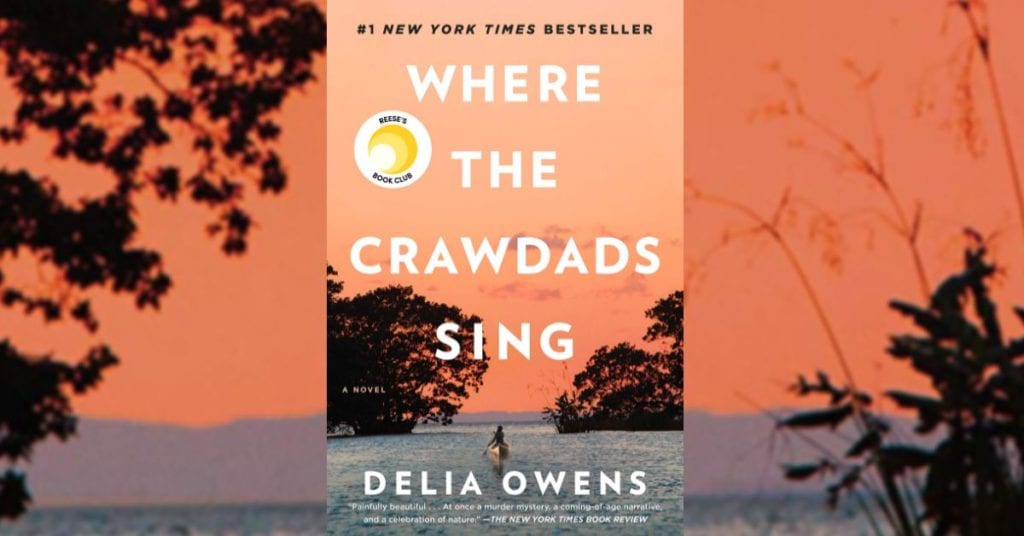
A first novel, Owens tells the story of a girl who to the outside world is only known as the Marsh girl- Kya Clark. She remains a mystery with many rumors said about her. Kya will become a murder suspect when a man is found dead. She would soon begin to open herself to people after a long time in hiding, but that will not come without its price. Having already established herself as a great writer, Delia Owens has used this work to serve a masterpiece mystery novel.
In this great works, Delia did not only write a story, but she also shows how we are still the people we have been as children, and we are all shaped by our experiences.
2. Shadow Warrior- Christine Feehan
What happens when the threat of a serial killer is towards a crime family? Christine Feehan tells the story of a man who is loyal to the death to his family, Vittorio Ferraro. He will cover any distance to protect those he loves.
Now, he is set to start his family with the woman he loves, Grace Murphy which means that she is now under his own protection. While she has a monster brother who would not let her go, there is also an intense and passionate lover who doesn’t let go of things he holds dear.
3. City of Girls- Elizabeth Gilbert
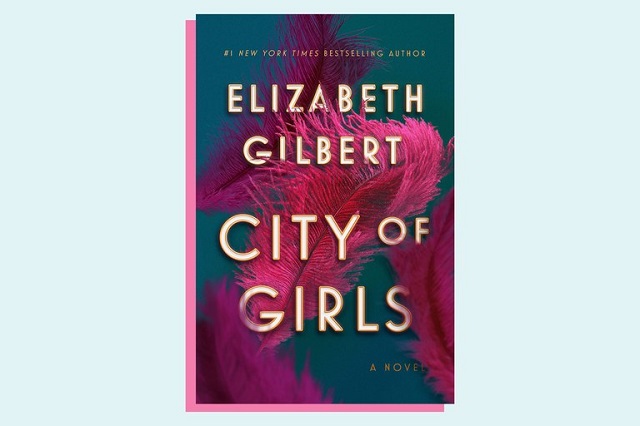
With City of Girls, Elizabeth Gilbert tells a story set in the 1940s about a nineteen-year-old Vivian who is sent by her parents to live in Manhattan with her aunt after she was kicked out of college as a result of poor performance.
In Manhattan, she is introduced to a different kind of life by people she meets through the theatre that her aunty manages which is known as the Lily Playhouse. Just when it seems to all be going fine, she makes a single mistake that would blow into a huge scandal. Through it, she will not only come to learn a lot about the bright light and success, but it will also lead her to find true love.
The story is told by Vivian who is now a woman approaching 90 years. She captures how all the events have given a different shape to her life leading to who she is today.
4. Unsolved- James Patterson and David Ellis
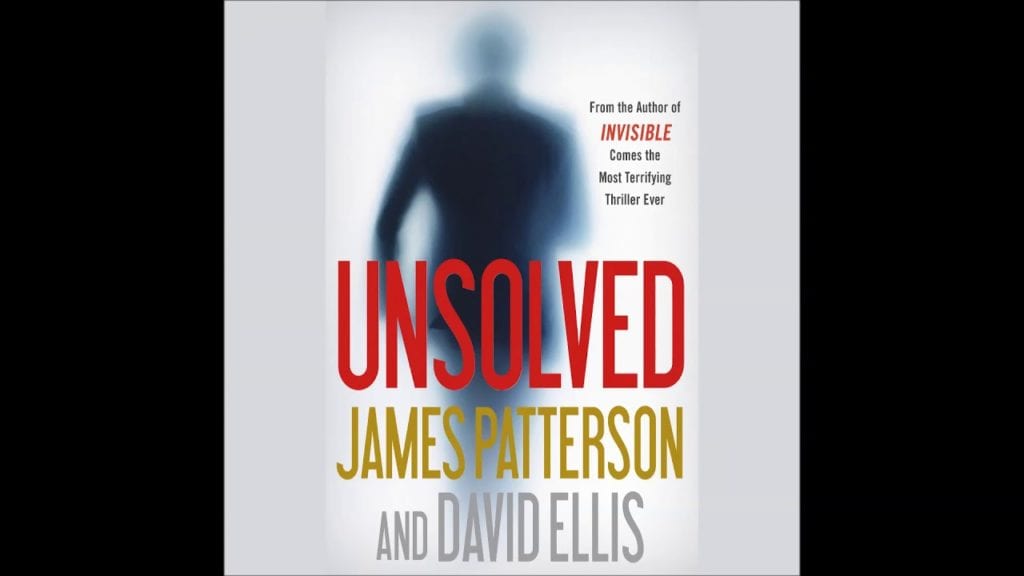
This book Unsolved comes as a sequel to the bestselling work of James Patterson and David Ellis, Invisible. In this novel, which happens to be one of the New York Times Bestselling Books, we meet FBI agent Emmy Dockery who together with her partner seems to be able to look at patterns and clues and solve cases almost easily. Now, she is faced with a crime that doesn’t even look like a crime as she has isolated cases with victims seeing to have died by accident.
Emmy believes the deaths are too much to be accidents or coincidences. Now she thinks there is a serial killer who is very intelligent just as he is deadly.
5. Fall- Neal Stephenson
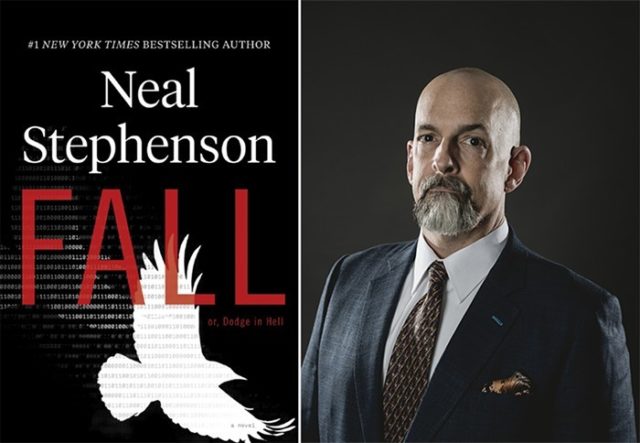
A billionaire Richard “Dodge” Forthrast who made his fortune from a gaming company he founded in his youth found himself on life support after he goes for a medical procedure. His wish, which his family is not comfortable with, is to have his body given to a cryonics company.
The data from his brain are stored in the cloud for a time when it would be revived. When that was achieved, he was brought back to life and death has been defeated. The problem, however, is that life without death is not as pleasurable as humans believe.
Nonfiction Category
6. Unfreedom of the Press- Mark R. Levin
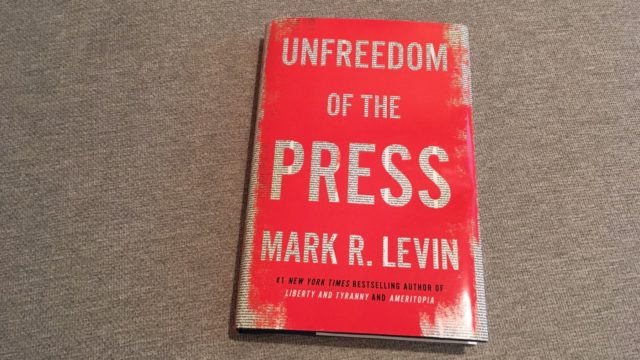
Mark R. Levin is a New York Times bestselling author with five different works. With Unfreedom of the Press, he takes a look at how the press has evolved over the years with those who have been saddled with the responsibility of protecting as the main culprits. Levin who is a Fox News star and radio host pointed out in the work that those responsible for reporting news have turned out to destroy it as a result of propaganda, self-censorship, bias reporting, and many other things. He made the note that it is these, and not any external influence in the form of government opposition or suppression that is eroding the press in America.
Taking a historical journey, he looked at the press in its earliest times when the emphasis was on the promotion of the principles enshrined in the Declaration of Independence and the Constitution.
7. Siege- Michael Wolff

After the overwhelming success of his work, Fire and Fury, Michael Wolff comes with another page-turner that is filled with humor. The work is also centered around President Donald Trump and his entire administration. It is some sort of a revelation of the working of the White House of Donald Trump. Inasmuch as it gets scary at some point in the work, one will still find it hard to drop and catch some breath.
Like Fire and Fury, Wolff made use of his sources in the White House who let him in on all the happenings although they want to remain as anonymous. Apart from the chaos that seems to be following Trump, Wolff also looks to understand the mystery behind how he is able to keep surviving.
The work also takes a swipe at Robert Muller in relation to his report which was awaited for a long time. Wolf described Muller in his epilogue as a cautious and indecisive bureaucrat.
8. Educated- Tara Westover
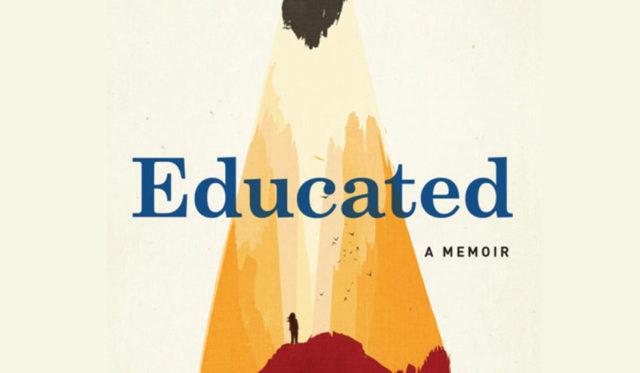
Also one of the New York Times Bestselling Books, Educated tells the story of Tara Westover, a woman who was raised in the mountains of Idaho to survivalists. She grew up without any formal education and only got herself into a classroom for the first time when she was 17. Her mother was a midwife and healer while her father had a junkyard.
While she was growing up, she did not see medics because hospitals were things her father forbade. Although the family had isolated itself, Tara still found a way to educate herself and got to make it into Brigham Young University where she studied history.
The memoir is a story of how Westover is able to re-invent herself from a girl who grew up in a survivalist family to a remarkable writer.
9. The Muller Report- The Washington Post

The investigations of Special Counsel Robert Muller into Russian interference in the 2016 US presidential election was at a point, considered to be one of the most important things in the history of American politics. That was at a point when it was believed it could lead to the impeachment of Donald Trump and probably his prosecution.
The Washington Post published the findings of the investigations of the special counsel which covers the alleged Russian interference in the elections and also potential obstruction of justice by Donald Trump.
Apart from the main report, there are also some related materials to the investigations that were also included in this book which has since become one of the New York Times Bestselling Books.
See Also: 10 Best Ian Frazier Books You Need To Read
10. The Pioneers- David McCullough
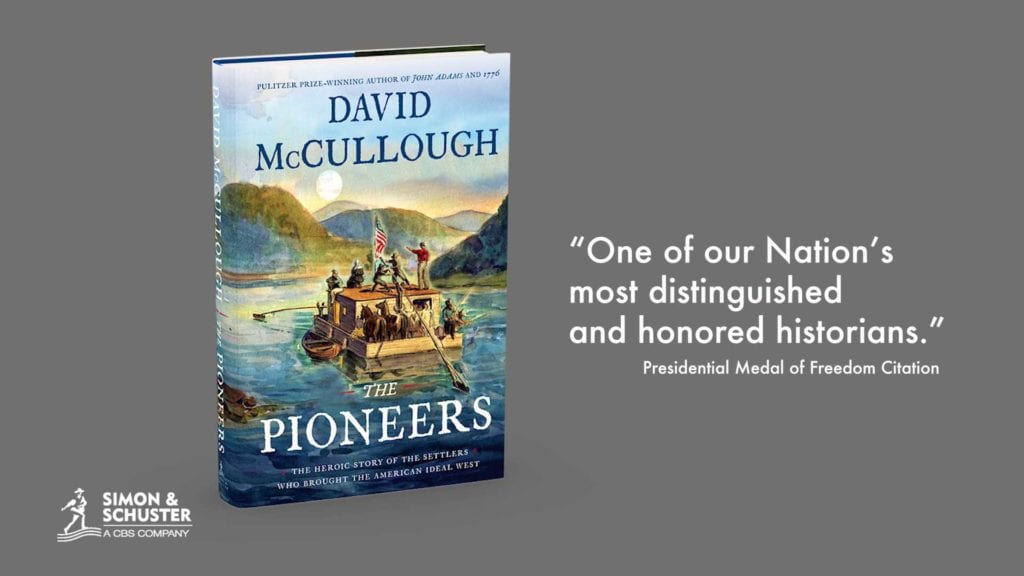
With The Pioneers: The Heroic Story of the Settlers Who Brought the American Ideal West, Pulitzer Prize-winning historian David McCullough recaptures the story of how the earliest idealists have come to make the Northwest Territory which is now made of places that make today’s greater part of the Upper Midwest, Ohio, Indiana, and Illinois.
Mostly known for his biographies of some of the most famous people in American history, David McCullough tells about some of the most important people in the history of the Northwest territory.
The work started with the story of a New England pastor named Manasseh Cutler who is significant in bringing the Northwest Ordinance of 1787 into fruition. This led to the creation of the Northwest Territory which prohibited slavery.
It also tells of people Harman Blennerhassett, who was later named in the Burr conspiracy in which the former Vice President Aaron Burr was alleged to be working on establishing his country in the Texas Territory.
The work is able to tell the story of the pioneers in an engaging manner from the point of view of the pioneers. David McCullough sustains the interest of readers from the start of the work until the end.
